Connecting rivers, people, and science through immersive field education
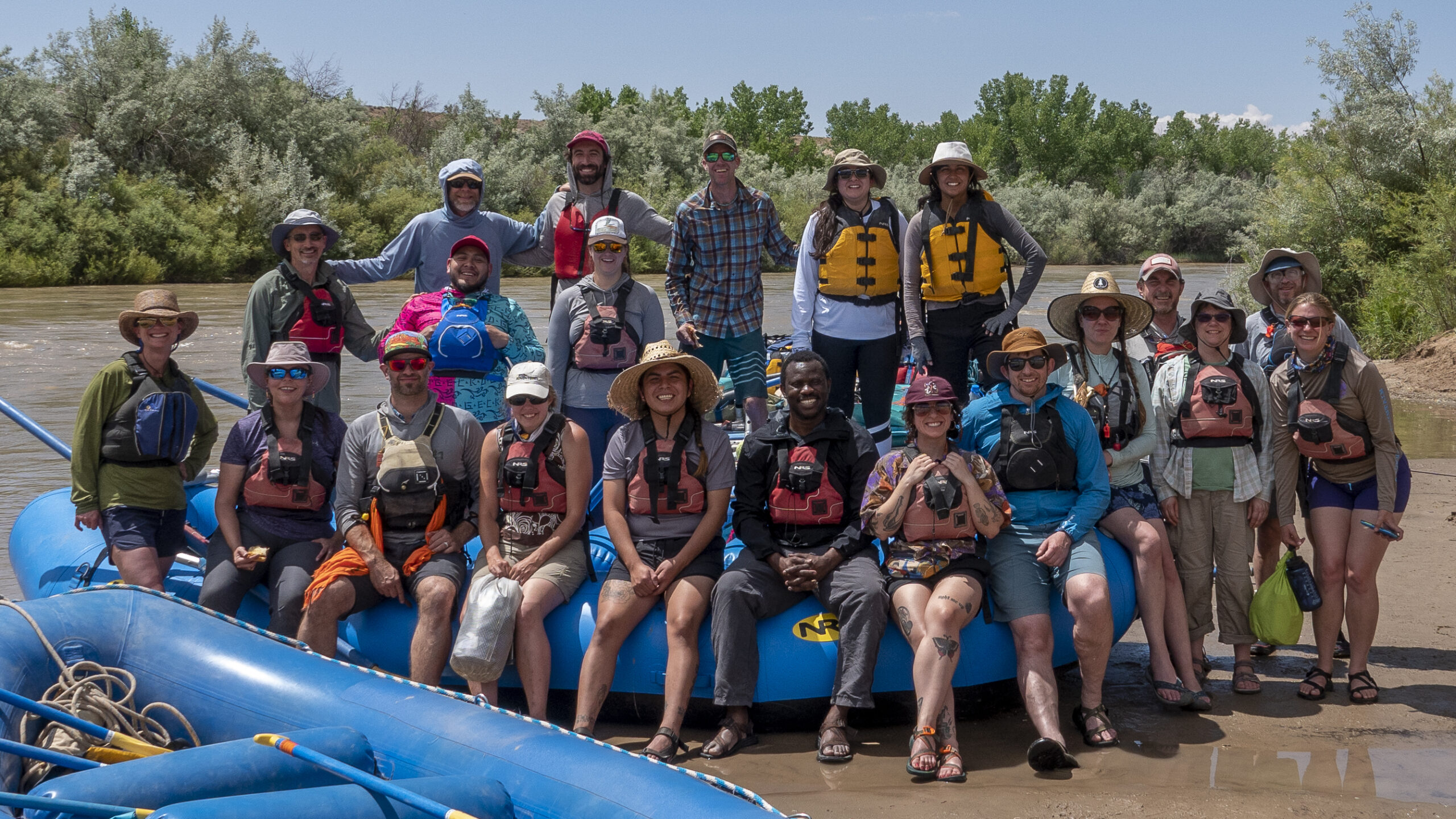
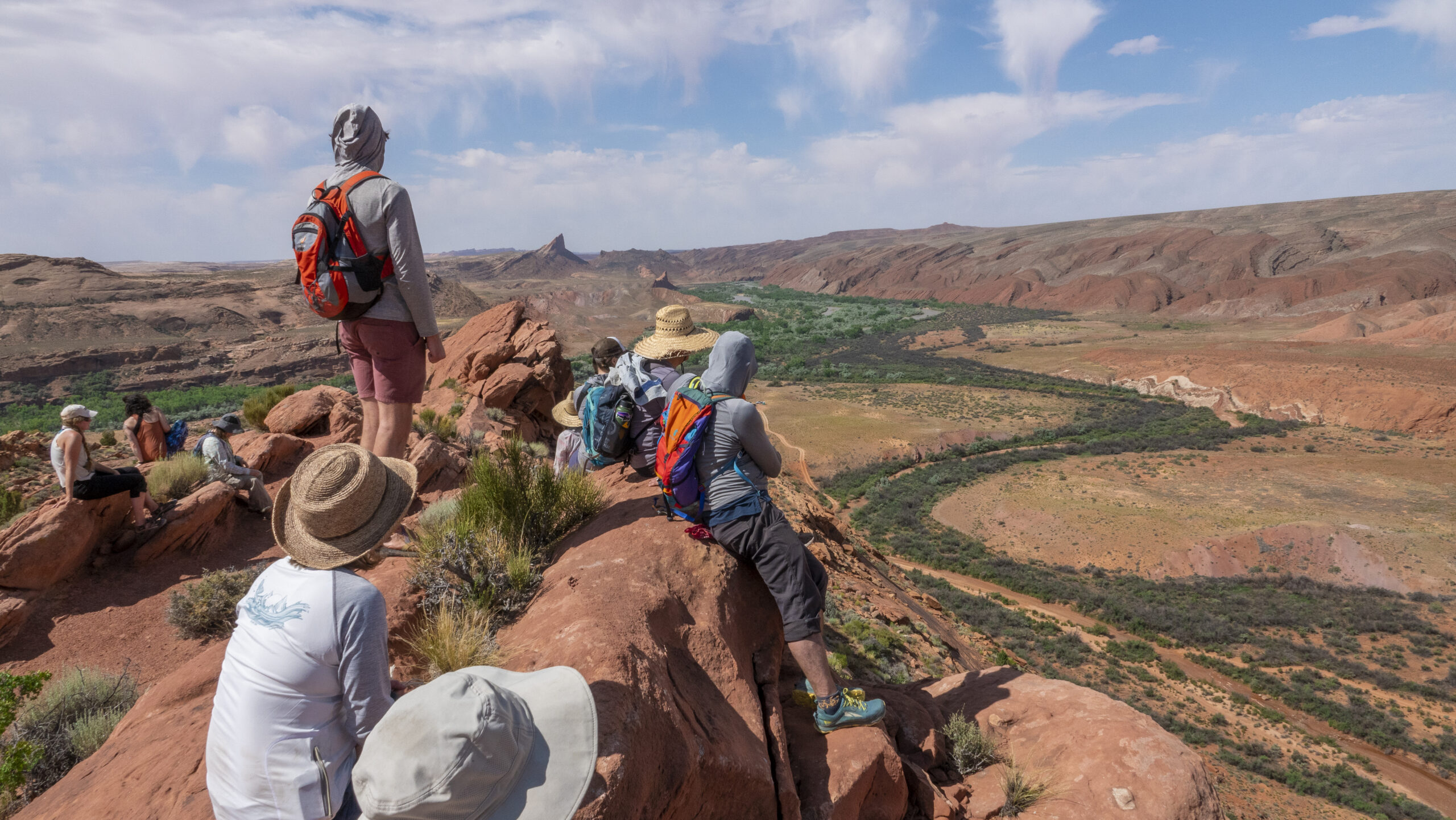
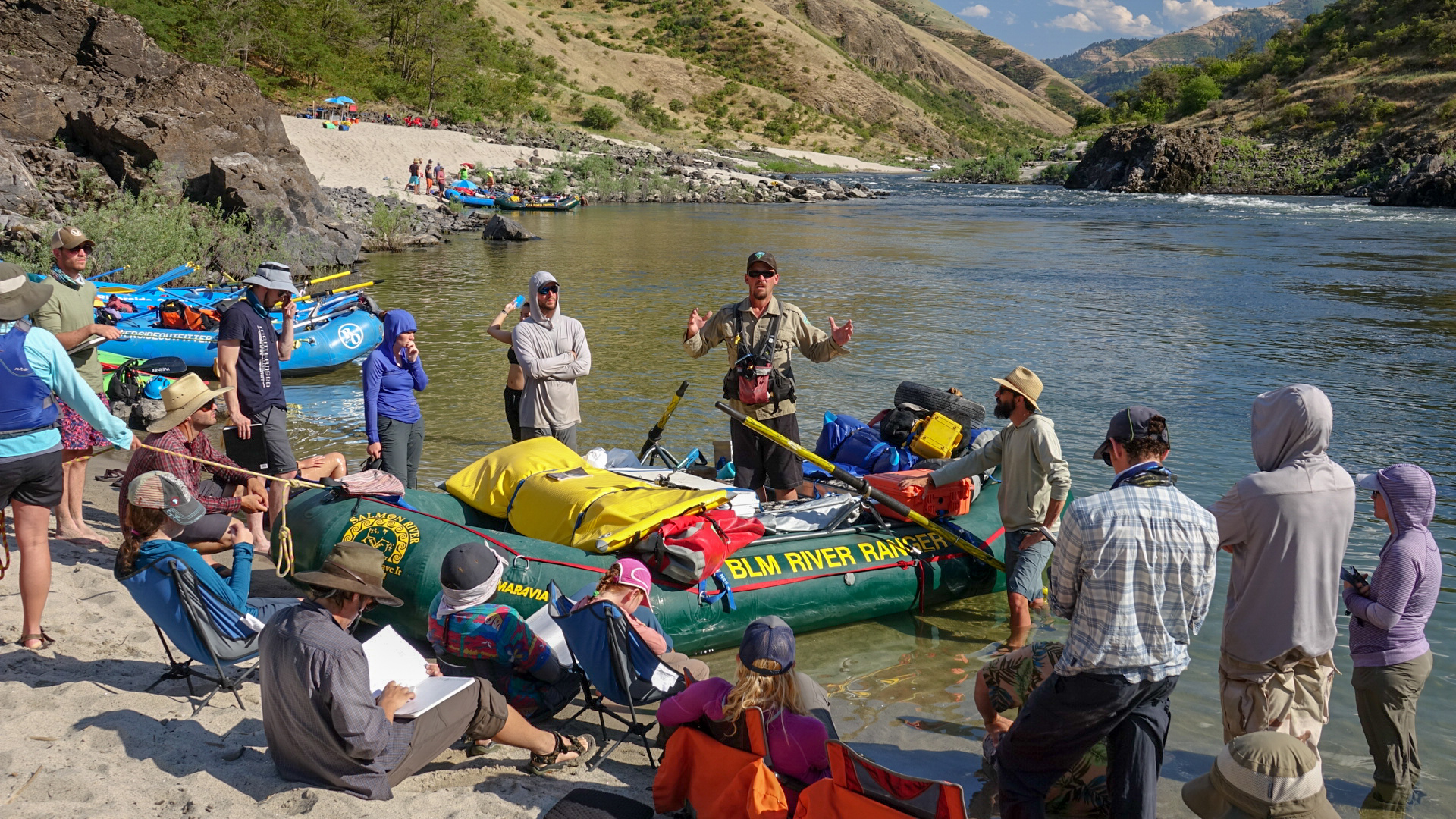
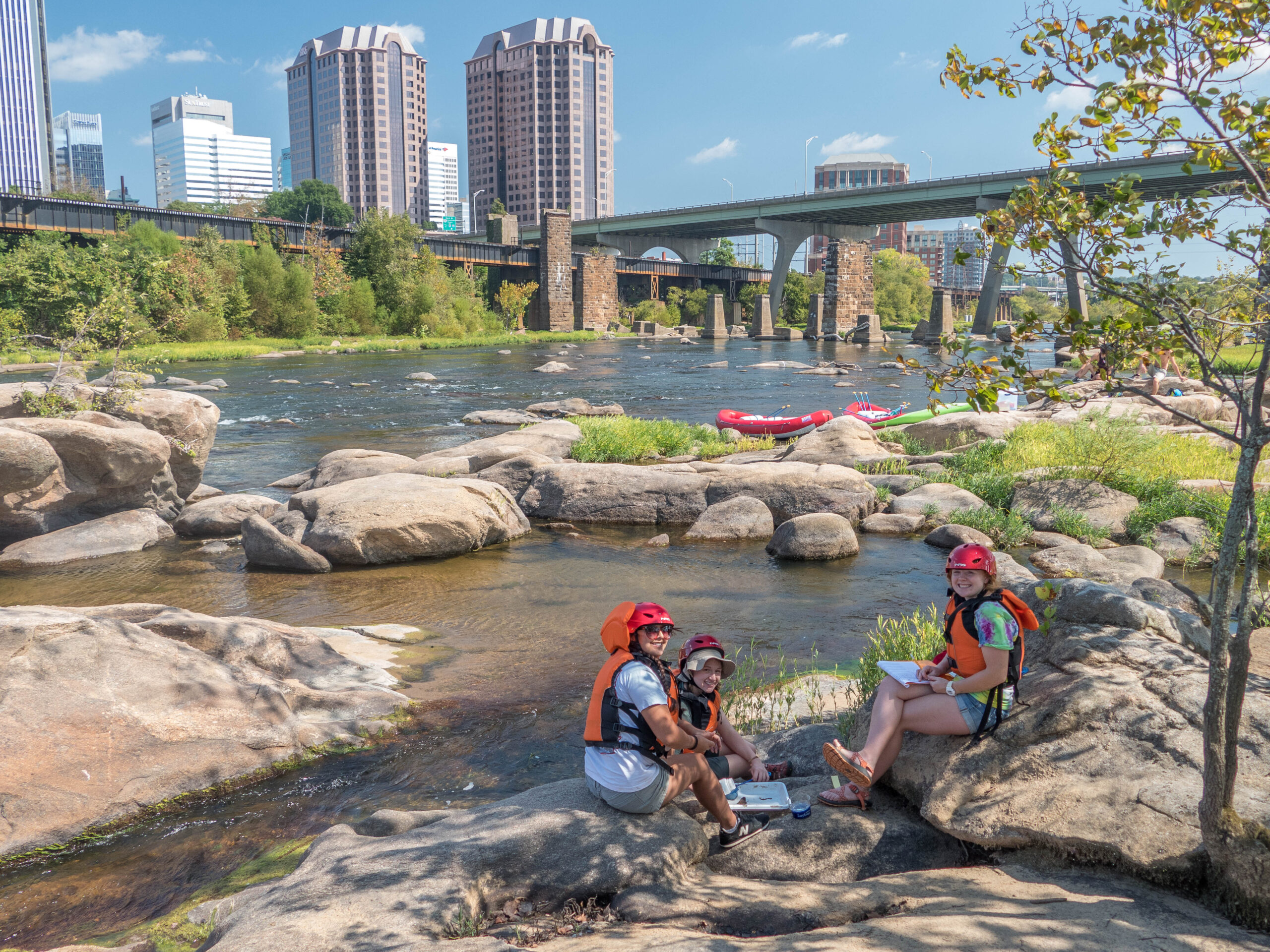
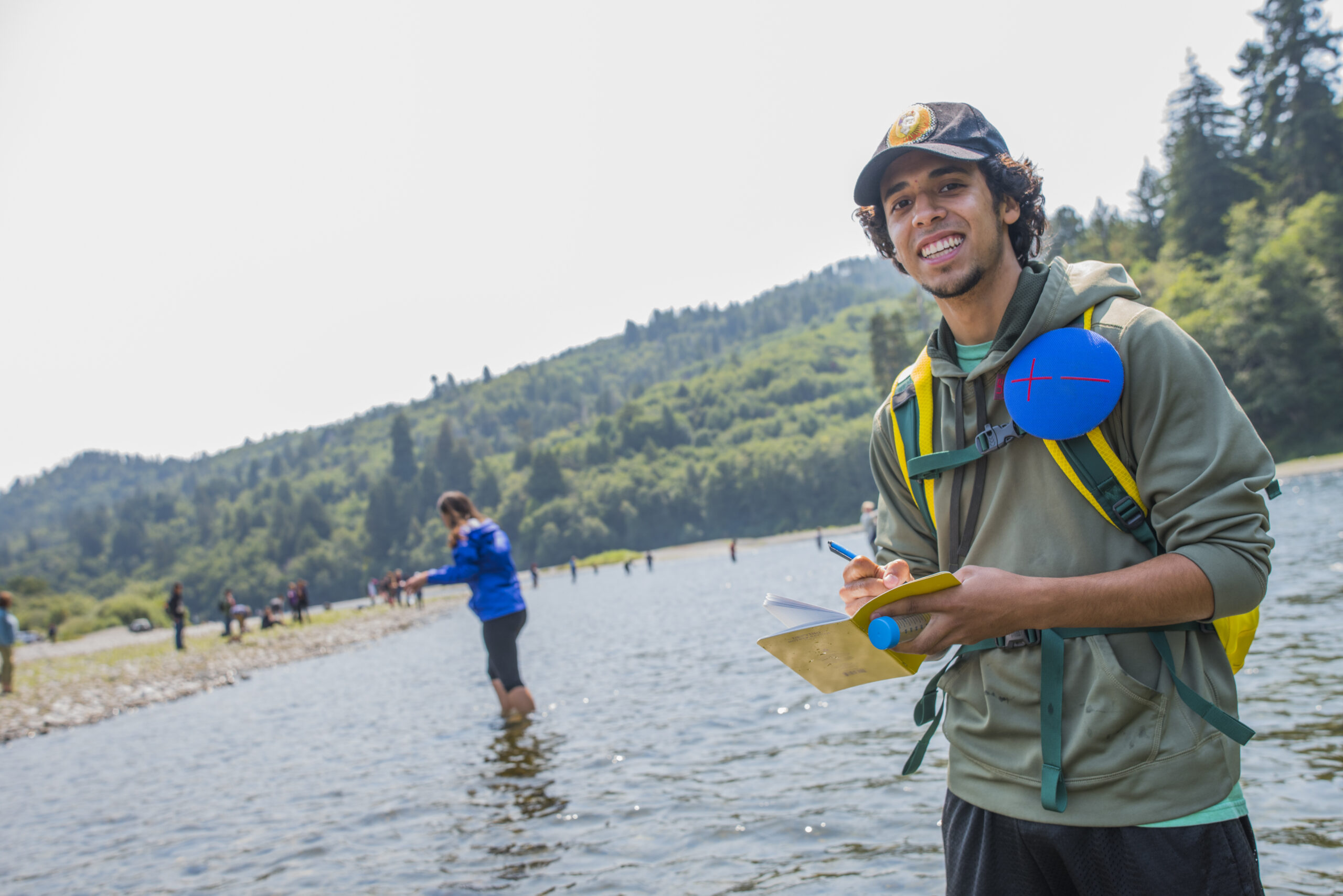
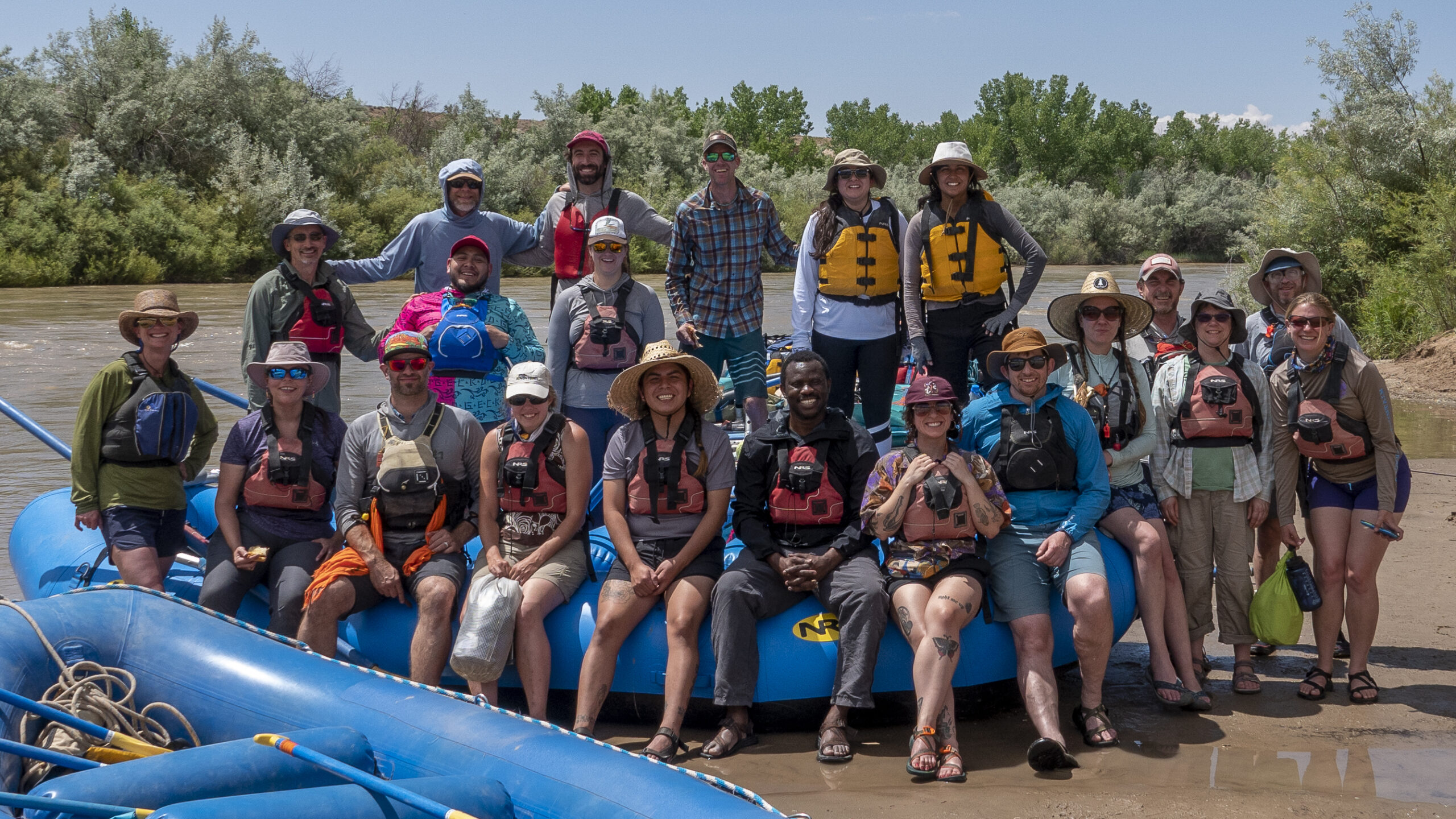
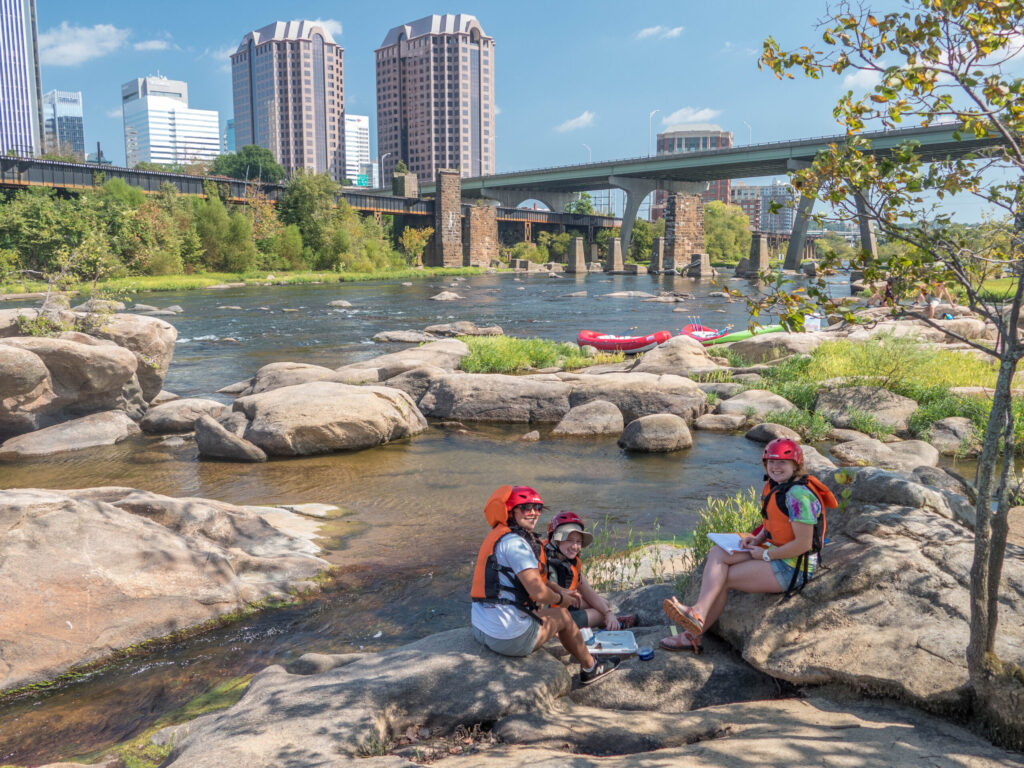
Rivers perform a broad set of functions essential to human societies and the landscapes they flow through. River-human relationships often are impaired, which threatens both rivers and people. Restoring these relationships will require a diverse workforce of interdisciplinary problem solvers. Field studies are essential to creating this workforce. Field studies connect students to learning objectives, peers, instructors, and society through immersive active learning in real world environments. They help overcome achievement gaps, propel inclusion, catalyze career interest, and create informed and engaged citizens. However, to achieve these benefits, field instructors must overcome a unique and growing set of challenges. In addition to knowledge of their STEM discipline, field studies instructors require a sophisticated grasp of specialized pedagogy and assessment, fundraising, negotiating institutional bureaucracy, issues of diversity, equity, and inclusion, and multiple dimensions of risk management. Mastering these is more than many self-taught instructors will be able to manage on their own. Without a network for support and guidance, instructors will burn out, risk-averse institutions will shy away, and field studies will continue to decline. The River Field Studies Network is a response to the paired crises of rivers and field studies. At this moment of critical vulnerability, we must restore and expand the capacity to bring students and rivers into contact through active learning.